The latest chapter of Loyalty Fallen Book 2 is now live. We’re just a few chapters away from the end of the book now! If you’re not yet familiar with my fantasy novel, start here.
If you’re planning to publish your novel, whether you’re aiming for a traditional deal or taking the self-publishing route, beta readers should become an essential part of your strategy. These early readers offer valuable feedback that can highlight pacing issues, confusing plot points, or moments that don’t land the way you intended.
In this post, I’ll walk through where to find the right beta readers, how to approach them, and what you should expect from the process.
What is a beta reader?
A beta reader is someone who reads your manuscript before it’s published and offers honest, reader-focused feedback. They aren’t professional editors, and they’re not there to nitpick grammar or fix every little problem. Instead, they read like a member of your target audience and let you know how your story lands from a fresh perspective.
Think of beta readers as your test audience. They can tell you if your opening pages are confusing, if your protagonist feels flat, or if the plot twist in chapter 15 actually works. Their reactions help you identify gaps you might have missed because you’re too close to the work. The feedback you get can range from specific (“This chapter dragged”) to emotional (“I didn’t care when that character died”), and both types are valuable.
While beta readers are especially useful for writers planning to self-publish, traditionally published authors can benefit from them too. Agents and editors expect a manuscript to be in strong shape before submission, and beta feedback can help you get there.
Note that beta reading is supposed to be free. You’re offering your book in exchange for feedback, not hiring a professional service. If someone asks you to pay them just to read your work, you’re better off using one of the sites I’ll share later in this post. You’re unlikely to get your money’s worth otherwise, and there’s no shortage of generous, thoughtful readers who are willing to help you for free.
How to know if your story is ready for beta readers
Before you send your manuscript to beta readers, ensure it reaches a point where its core elements stand strong. Complete your primary draft and revise for major plot points, character arcs, and overall structure. At this stage, your work should have a clear beginning, middle, and end, even if you plan to polish the finer details later.
Next, check that you’ve addressed your own initial concerns. Review your manuscript to make sure that the pacing feels right and that the narrative flows smoothly. It’s important to feel confident about the story’s foundation; your beta readers should focus on reader reactions, not fixing basic plot issues that you can correct on your own.
Finally, ask yourself if you have a clear target audience in mind. Once you know who you’re writing for, you can select beta readers who represent that audience. This ensures you receive feedback that’s on point, helping you refine your manuscript to better engage your future readers and meet publishing standards.
Where to Find Beta Readers
When you’re ready to find beta readers, you don’t need to look far. Plenty of online communities and platforms are built specifically for this stage of the writing process.

1. Scribophile.com
Of course my top one is Scribophile, a writing community where you can critique others’ work and earn karma points to post your own. Scribophile has a dedicated Beta Reader section where you can browse listings or post your own call for readers.
2. BetaReader.io
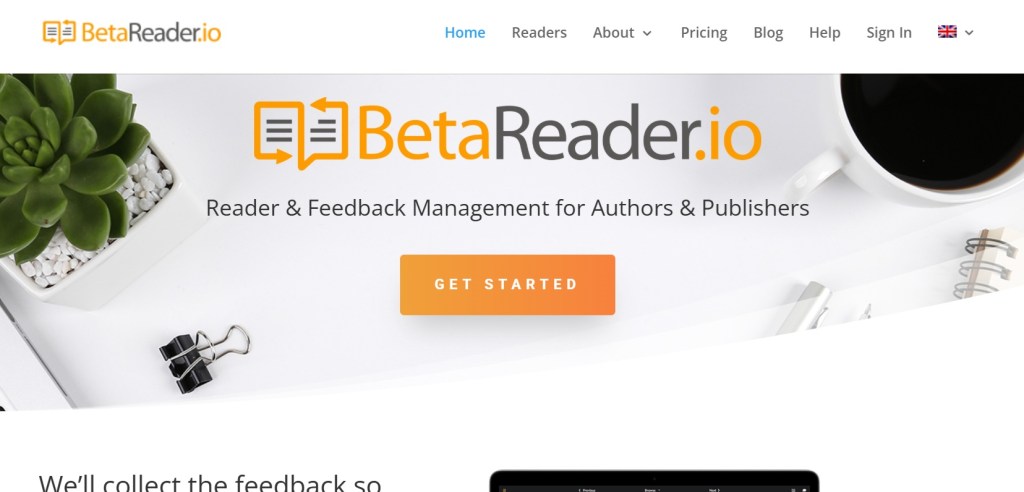
Another option is betareader.io, which offers a streamlined platform for sharing your manuscript and collecting feedback. The free tier lets you upload one manuscript and receive feedback from up to three beta readers. If you want more flexibility, the $10/month plan allows unlimited manuscripts and unlimited beta readers, which can be helpful if you’re working on a series or multiple projects. I wouldn’t necessarily pay though, as I think you can find similar options elsewhere at no cost.
3. r/BetaReaders
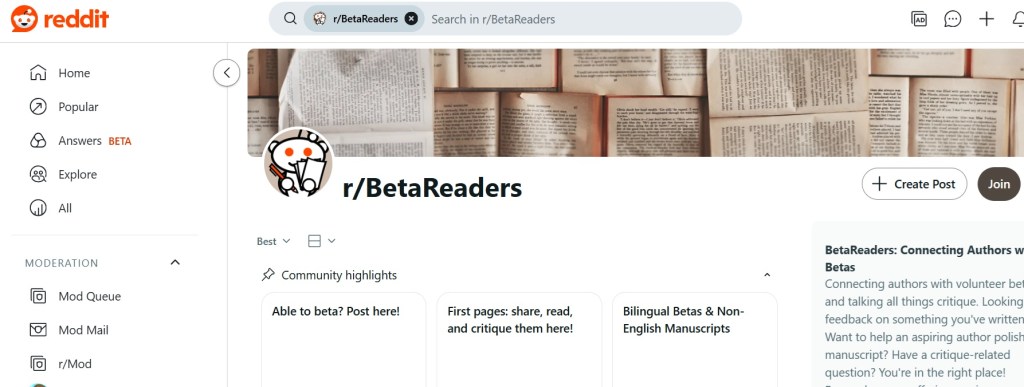
If you’re looking for a more casual, community-driven option, try the r/betareaders subreddit. With over 42,000 members, it’s a great place to connect with fellow writers and readers who are actively looking to trade feedback. You can post a request, reply to others, and often find people who are experienced with your specific genre.

4. Storyfolk.ca
You can also check out StoryFolk, a newer platform that lets you create a listing for your book and connect with beta readers for free. It’s especially helpful if you want your request to live on a dedicated page rather than getting buried in a forum thread.
Final thoughts
Finding the right beta readers can take a bit of effort, but the feedback you’ll receive is worth it. These early readers help you tighten your story, spot issues you missed, and build confidence before your book heads out into the world. The best part? You don’t need to spend a dime, which is very helpful if you’re just starting out.
I’m always looking to expand this list, so if you’ve used a site or platform I didn’t mention, let me know in the comments. And if you found this post helpful, please consider following the blog. It helps me out a lot.
 Loyalty Fallen Hub
Leave a comment